 Français
 English
 Español
 Deutsch
 Português

Trends, ecological alternatives, and optimization; we'll tell you everything about CONCRETE!
Concrete is no longer just an economical and durable building material. Today, it is being reinvented to become decorative and even eco-friendly.
What is concrete?
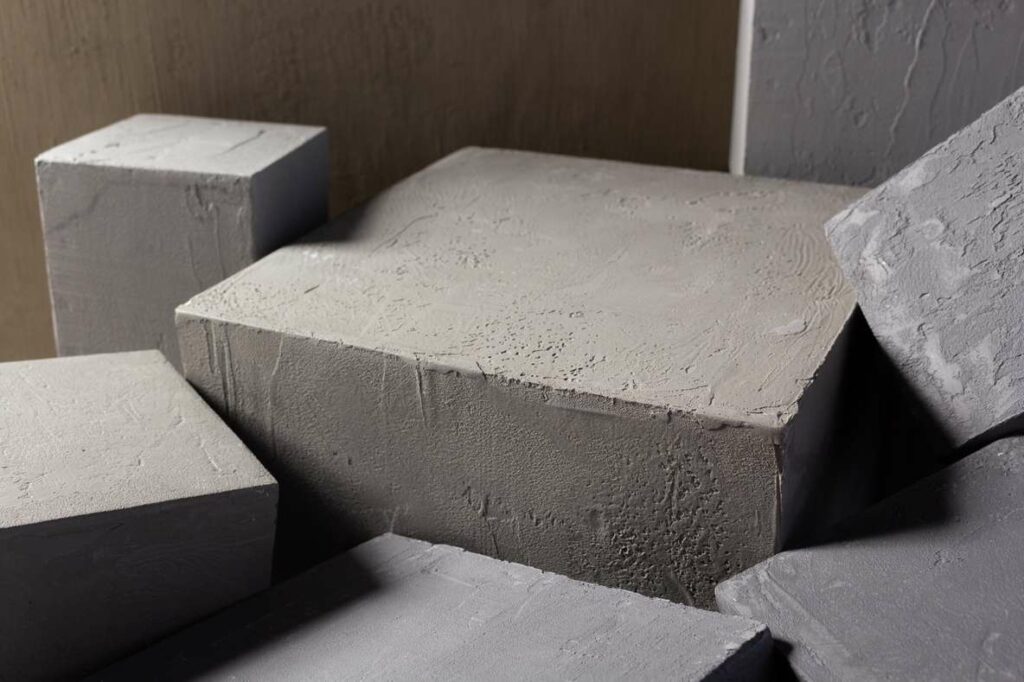
Known since the third millennium BC, concrete is the result of mixing aggregate (gravel, crushed stone, sand) and water bound by a binder (cement, bitumen, clay). Additives can be added to modify its characteristics.
With its well-established popularity today through its great longevity over the years, its very affordable cost that defies all competition, as well as the architectural freedom it offers its users.
It is used worldwide for all types of construction projects and addresses the challenges of sustainable construction. Concrete therefore guarantees optimal mechanical performance. However, while it remains a durable material over time, its production is still very harmful to the environment. One ton of concrete produces emits an average of 575 kg of CO2 and consumes enormous amounts of water.
There are different types of concrete depending on their uses:
- Reinforced concrete, composed of a steel frame covered with concrete.
- Fiber-reinforced concrete is reinforced with synthetic or metal fibers that improve its strength or fire resistance.
- High-Performance Concrete (HPC), with lower porosity and greater resistance to corrosion and frost.
Concrete Trends
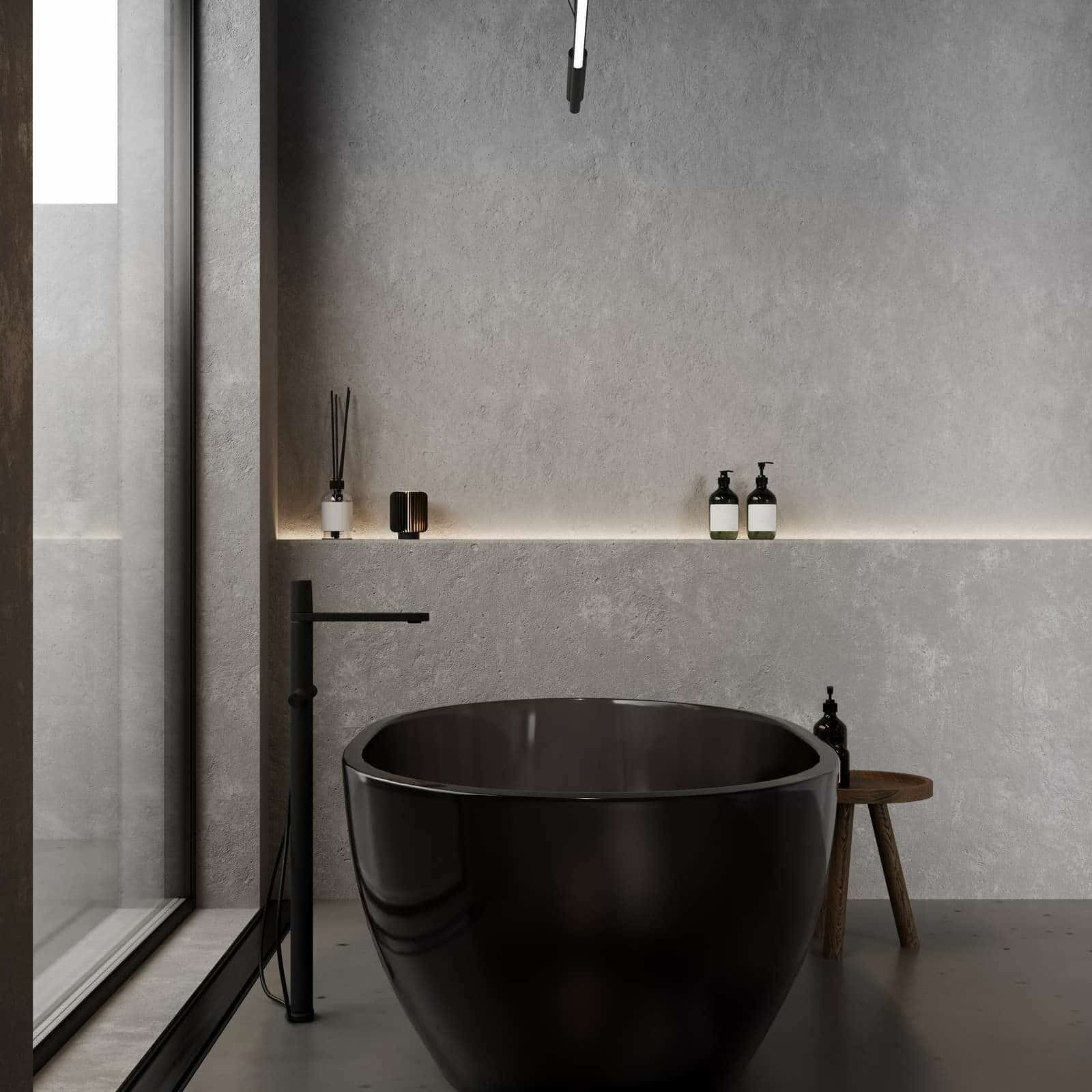
Today, concrete no longer serves only as the skeleton for a structure; it can also be a High-end decorative material and can be used for walls, floors, as well as furniture. It adds a modern and industrial touch to a room, and comes in different colors or finishes, smooth, textured, or with patterns.
To achieve this, concrete is poured into a formwork designed with a specific pattern. This can be an imitation of wood, fabric, stone, leather, etc. Texture can also be added to the concrete by inlaying wood, glass, or through engraving, sandblasting, or shot blasting.
New types of concrete are emerging, such as backlit concrete, which becomes luminous thanks to the fiber optics contained within the material.
What are more environmentally friendly alternatives?
There are numerous alternatives to conventional concrete. Some even replicate its mechanical properties, but with the difference that their production is much less energy-intensive. Concrete Ecological is obtained from waste or surplus materials. It is a product that is both accessible and, above all, sustainable. The concept of ecological concrete is that the cement contained in traditional concrete is replaced by reusable resources. Likewise, wash water can be reused.
Among these resources, we can name fly ash, derived from coal combustion, this product is now used in place of cement with lime and water to obtain a more ecological concrete. It offers high strength and reduced shrinkage. On the same principle, Blast furnace slag or else microsilica, allow for more durable, more resistant, less permeable, and less polluting concrete during its production.
The aggregate can also be partially replaced by recycled materials, such as plastic wastes, recycled glass, concrete waste, or recycled paper. This gives new life to materials destined for landfill or sometimes difficult to recycle.
How to best optimize and use concrete?
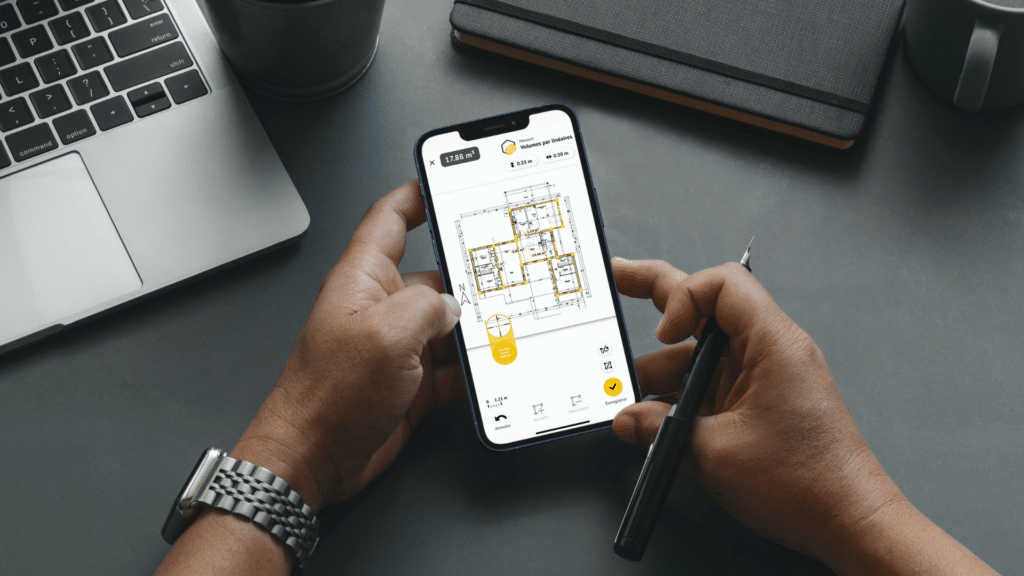
Whether you're working with alternative or traditional concrete, it's important to optimize its use to avoid additional costs in time and money related to over- or under-estimating resources. Underestimation would cause lost time and delays, while overestimation would lead to a higher actual cost for the building and unused resources, creating avoidable waste..
Some software or applications allow you to easily, quickly, and error-free calculate the quantities of concrete needed. The application MeasureAll is responsible for calculating concrete volume of your floors, decks, by surface area or by linear, necessary to achieve your foundations, your tie beams, or your beams.
She also estimates the surfaces with linear and height walls, as well as horizontal surfaces Floors and terraces. Your formwork, Split walls, Formed concrete walls And your gable walls can be calculated in concrete volume or surface area.
To conclude, MeasureAll takes into account the achievement of quote your work based on previously recorded measurements. It also performs your orders with the precise quantities of concrete, cinder blocks, or blocks you need.